

Crystal Healing Meets Astrology: How Spiritual Wellness Is Reshaping the $300B Jewelry Market
Lead: A quiet revolution is underway in the global jewelry industry. Where buyers once chose pieces purely for aesthetic or status reasons, a growing share of consumers — particularly in the under-35 cohort — now make purchase decisions based on a piece's perceived energetic, symbolic, or spiritual properties.

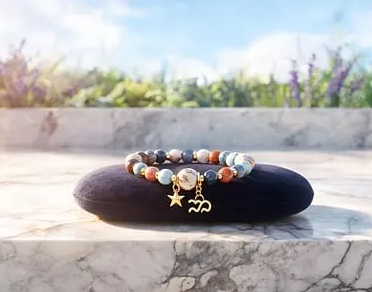
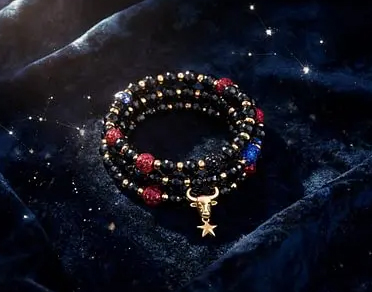
The shift is most visible in two adjacent categories: crystal healing and zodiac jewelry. Together, they now account for an estimated 8% of the global jewelry market by revenue, up from less than 2% in 2020, according to a 2026 report from McKinsey's luxury practice. The same report estimates the "spiritual wellness" consumer — defined as someone who has purchased at least one crystal, tarot deck, or astrology-themed accessory in the past 12 months — now numbers more than 200 million worldwide.
Industry observers say the trend is being driven less by literal belief in crystal metaphysics and more by what sociologists call "performative spirituality": a soft, often humorous embrace of symbolic frameworks that help users navigate identity, mood, and life transitions. The same consumer who might not identify as "religious" is increasingly comfortable saying "I'm a Scorpio" or "this stone is for anxiety" — and the jewelry industry has noticed.
The financial signal is hard to ignore. Brands that have leaned into the trend, from legacy players like VRAI and Mejuri to independent Shopify-native labels like EURUNS, report that zodiac and crystal-themed SKUs convert at 1.5-2.5x the rate of plain jewelry equivalents. They also return higher average order values and stronger repeat-purchase behavior.
For brands considering an entry into the category, the playbook is increasingly clear: a tight product line, a strong visual identity, a small but loyal community, and a willingness to engage authentically with the cultural language of astrology rather than treating it as a marketing gimmick.